

Baltic Amber: History, Legends, and the Tears of the Sea
Baltic amber is more than a gemstone — it is a piece of living history, shaped by nature, myth, and centuries of craftsmanship. Found along the shores of the Baltic Sea, this warm golden resin has fascinated people for thousands of years and remains one of the most treasured materials in European jewelry today.
What Is Baltic Amber?
Baltic amber is fossilized tree resin formed over 40–50 million years ago, during the Eocene period. Ancient pine forests once covered Northern Europe. Over time, resin from these trees hardened, was carried by rivers into the sea, and eventually washed ashore as amber nuggets.
Unlike minerals, amber is organic — which is why it feels warm to the touch and can contain perfectly preserved ancient insects, plants, or air bubbles, offering a direct window into prehistoric life.


Amber in Ancient History
Amber was highly valued long before gold became widespread. Archaeological finds show that Baltic amber was traded as early as 3000 BCE, traveling from Northern Europe to Rome, Greece, Egypt, and the Middle East via the famous Amber Road.
The ancient Romans believed amber had protective and healing properties, while Greeks called it elektron — a word that later gave rise to “electricity,” after observing amber’s static charge when rubbed.
In the Baltic region, amber was used not only for jewelry, but also for:
-
Protective amulets
-
Religious artifacts
-
Buttons and beads
-
Burial offerings
The Legendary Amber Room
One of the most famous amber creations in history is the Amber Room — often called the Eighth Wonder of the World.
Created in the early 18th century, the Amber Room was decorated with:
-
Over 6 tons of Baltic amber
-
Gold leaf and mirrors
-
Intricate carvings and mosaics
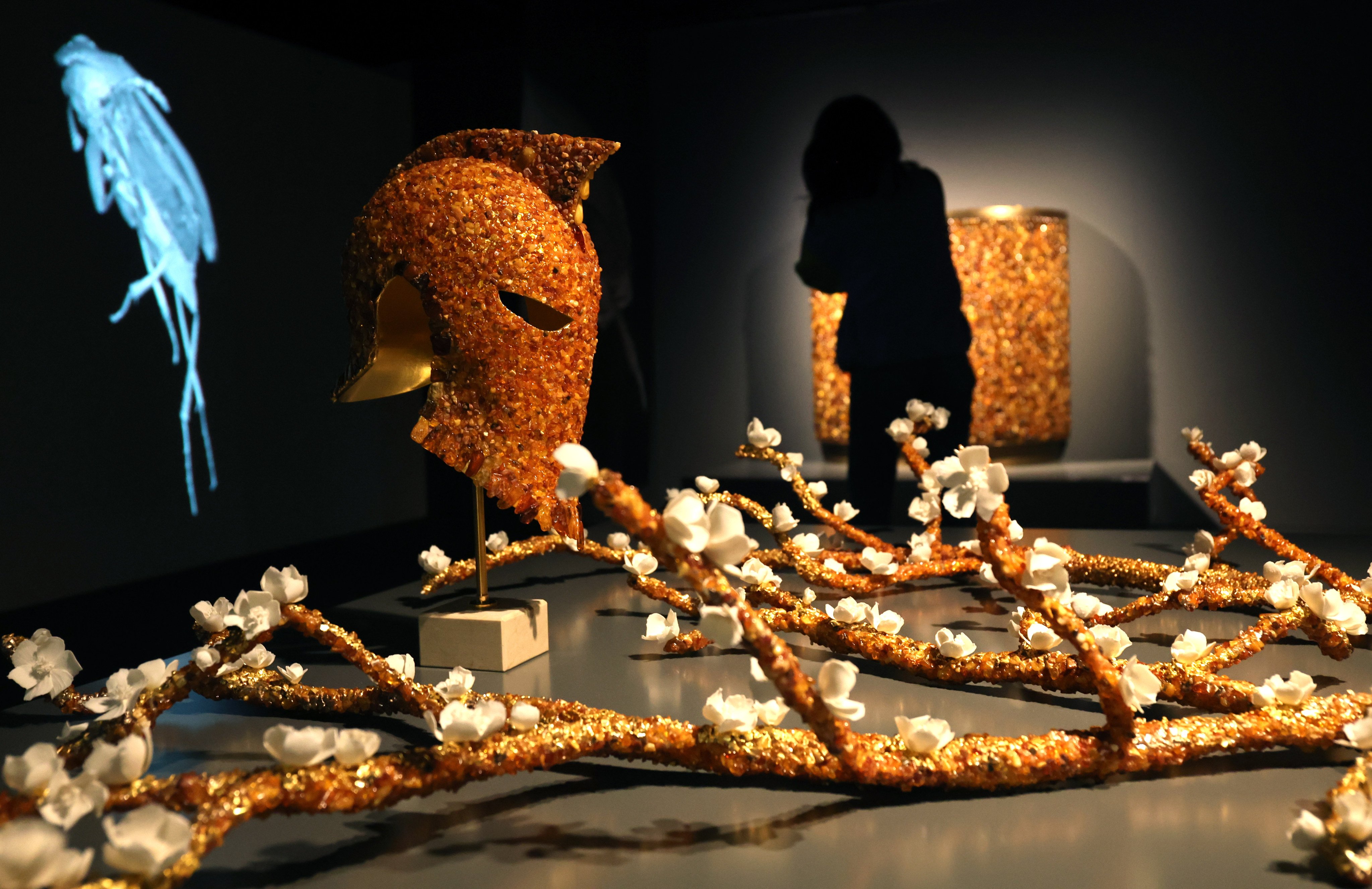
Originally installed in Prussia, it was later gifted to Russia and placed in the Catherine Palace. During World War II, the Amber Room mysteriously disappeared, sparking decades of legends, searches, and conspiracy theories. A reconstructed version now stands in Russia, honoring the original masterpiece.


Lithuanian Legend: Jūratė and Kastytis
In Lithuanian folklore, amber is not just a natural treasure — it is sacred.
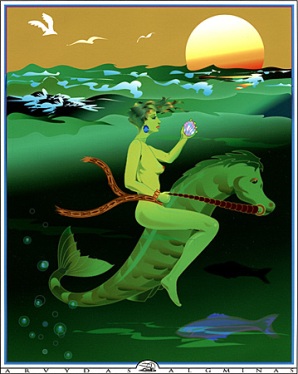
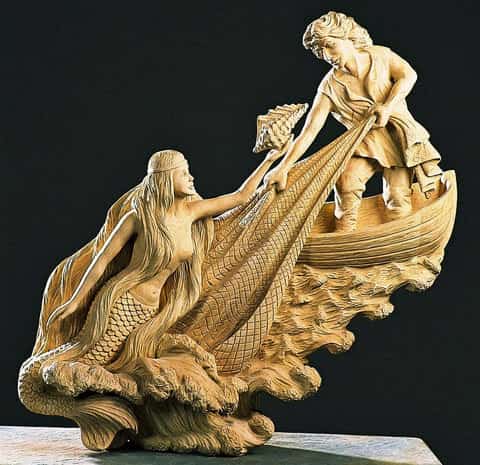
According to the legend of Jūratė and Kastytis, Jūratė was a sea goddess who lived in a magnificent amber palace beneath the Baltic Sea. She fell in love with Kastytis, a mortal fisherman. Enraged by this forbidden love, the thunder god Perkūnas destroyed the amber palace with lightning.
It is said that the amber pieces found on Baltic shores are the broken fragments of Jūratė’s palace — and her tears of grief, forever washing up from the sea.
To this day, many Lithuanians poetically refer to amber as “Jūratė’s tears.”
Amber Jewelry Through the Ages
Baltic amber jewelry has remained popular for centuries because of its:
-
Natural warmth and glow
-
Lightweight comfort
-
Unique inclusions and color variations
-
Cultural and symbolic meaning
From royal necklaces and religious rosaries to modern minimalist designs, amber adapts beautifully to every era. Each piece is unique — no two ambers are ever exactly alike.
Colors range from:
-
Honey and golden yellow
-
Cognac and cherry
-
Milky white (royal amber)
-
Rare green and blue hues
Why Baltic Amber Is Still Cherished Today
Today, authentic Baltic amber is prized not only for its beauty, but also for its heritage. When you wear amber, you are wearing:
-
Millions of years of natural history
-
A symbol of protection and warmth
-
A connection to ancient Europe and Baltic culture
-
A piece of legend, shaped by sea and time
At European Food & Gifts, we proudly offer genuine Baltic amber jewelry inspired by tradition, craftsmanship, and timeless beauty.